

COVID–19 is a novel coronavirus discovered in 2019. It is similar to SARS–CoV, the virus that caused the 2002–2004 SARS pandemic. As of June 2019, only a limited number of cases have been identified in people in the Middle East, all of whom have since recovered.
As of June 2019, the extent of the risk posed by COVID–19 is not yet known, and further information is needed to determine the potential severity of the virus. However, as COVID–19 is similar to SARS–CoV, it is possible that this virus could cause a global outbreak if it spreads easily from person to person.
covid–19 india

Coronavirus Most common symptoms
Fever
Cough
Shortness of breath
These symptoms can appear 2–14 days after exposure to the virus.
If you have these symptoms, call your healthcare provider.
Coronavirus Precautions
You can take the following steps to protect yourself:
Wash your hands often with soap and water for at least 20 seconds. If soap and water are not available, use an alcohol–based hand sanitizer with at least 60% alcohol.
Avoid close contact with people who are sick.
Avoid touching your eyes, nose, and mouth with unwashed hands.
Stay home when you are sick.
Cover your cough or sneeze with a tissue, then throw the tissue in the trash.
Clean and disinfect frequently touched objects and surfaces using a regular household cleaning spray or wipe.
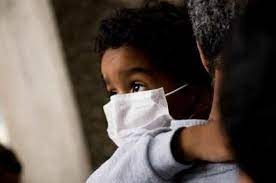
Follow CDC’s recommendations for using a facemask. CDC does not recommend that people who are well wear a facemask to protect themselves from respiratory diseases, including COVID–19. Facemasks should be used by people who show symptoms of COVID–19 to help prevent the spread of the
Coronavirus Health information
The spreading of COVID-19 has been linked to the handling of
contaminated surfaces and hands. To protect yourself and others, avoid touching
your face and always wash your hands before eating.
1 -After being in public, it is highly recommended that you
wash your hands thoroughly for at least 20 seconds.
2 – Avoid close contact with people who are sick.
The virus is spreading worldwide, so even if there are no
known cases in your area, it is still recommended to take precautions.
3 -Cover your cough or sneeze with a tissue, then throw the
tissue in the trash.
4 -Clean and disinfect frequently touched objects and surfaces
using a regular household cleaning spray or wipe.
5 – Individuals with chronic health issues should be extra
cautious as this virus can lead to severe respiratory illness.
6 – If you are showing symptoms of the virus, seek medical
attention and call before going to a doctor’s office or hospital.
7- If you are sick, stay home to avoid spreading the virus.
Locate the nearest testing site to you.