
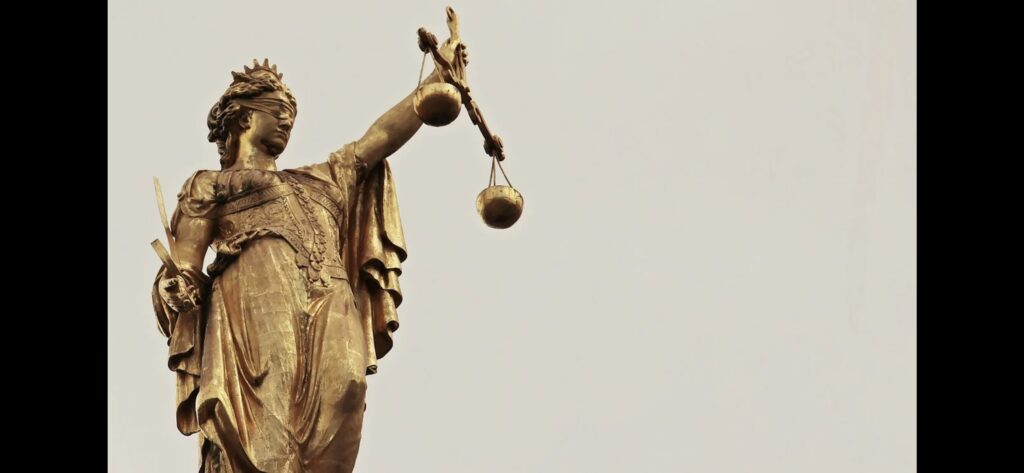
THE JUDGEMENT SEAT OF V1KRAMADITYA
King Vikramaditya is said to be the greatest judge in
history. He was never deceived. He never punished the right person.
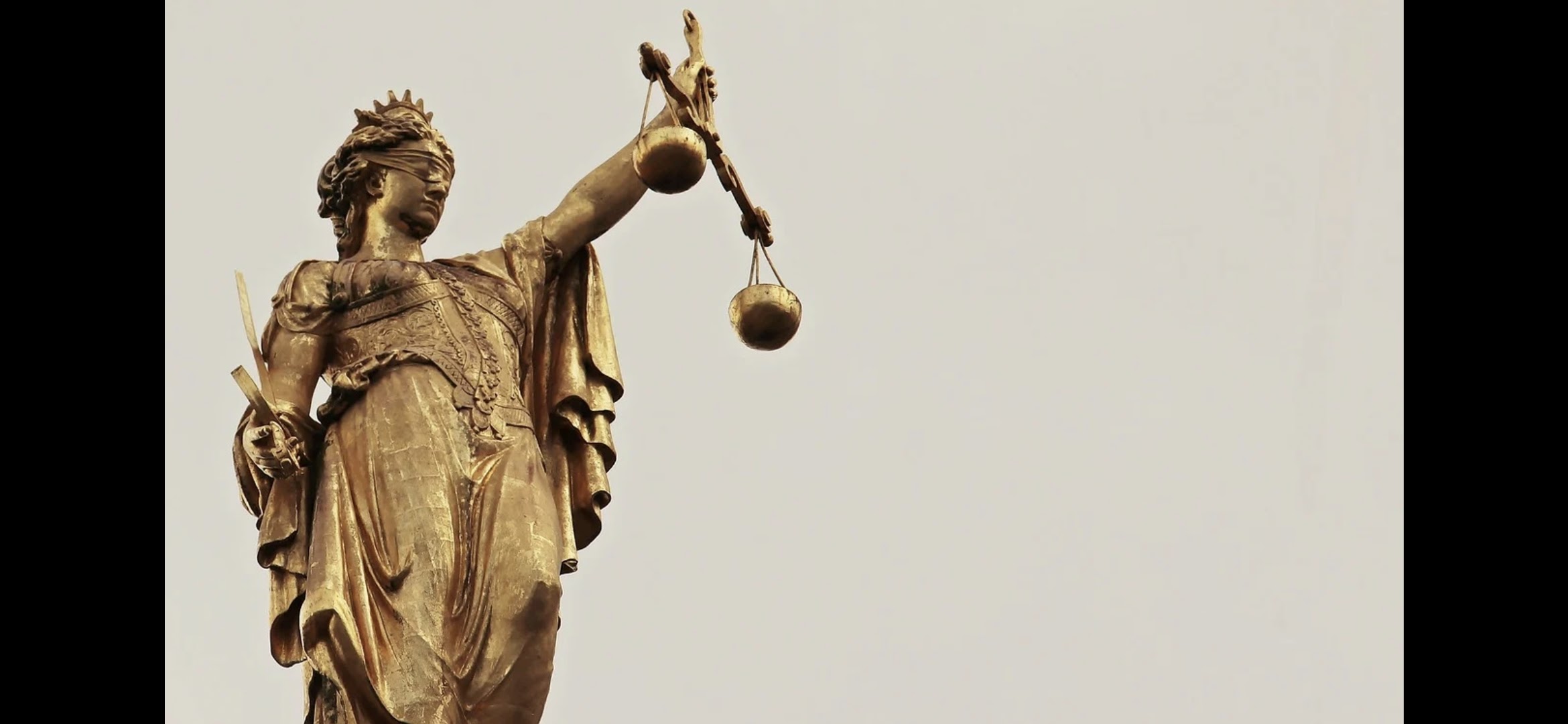
One day a shepherd boy sitting on a mound asked the boys to
bring their cases for trial before him. All the boys were .’satisfied by his
judgement.
Passage – 1
The king of Ujjain heard this news. He guessed the judgement
seat of Vikramaditya there. He .gave orders to dig under the mound. After
digging very deep, they found a slab of black marble supported on hands and
wings by twenty-five angels. When the king tried to sit on the seat one of the
angels asked if he was worthy to sit on it. On saying ‘no’ by the king the
angel flew into the sky. In the end when only one angel was left, he asked the
king if his heart was as pure as that of child As soon as the king said ‘no’,
the angel flew away into the sky with the throne.
Passage – 2
We are all familiar with the name of Vikramaditya. The ‘Vikram Samvat’ owes its
origin to him. Although his name is very famous, it is strange that we hardly not know anything definite about his life. There is one thing certain about him,
however, he loved justice and learning. He gave perfect justice to his people
and gathered learned men about him in his court. I: is. said that he was the
greatest judge in history.
Passage – 3
Vikramaditya was never deceived. Nor did he ever punish the
right man, The guilty trembled when they came before him for
they knew that his eyes would look straight into their
guilt. And those who came to him with difficult problems were always satisfied
by the way he solved them. And so, in India after him whenever any judge
pronounced his judgement with great skill. it was said of him:
Has anyone ever seen the judgement-seat of Vikramaditya ?
Perhaps not; because the seat does not exist more. I am going to tell you how
it disappeared.
Passage – 4
After the death of Vikramaditya, the people of Ljjain, in
due course of time, forgot him. His palace and his fortress were ruined. The
heaped-up ruins, having been covered with grass, dust and trees, were turned
into a pasture-land for feeding the cattle. The village-people used to send
their cows out to these pastures to graze. Early in the morning & Evening the cattle
would go in the care of shepherd-boys and would not return till late in the
evening. When it was time to return, a shepherd-boy would call out from the
edge of the pastures, and all the cattle along with their cowherds would gather
round him, and together the would turn homewards.
Passage – 5
Such was the life of the shepherd-boys in the village of Ujjain. There were many of them, and in the long days on the pastures they had
plenty of time for fun. One day they found a playground. And, how delightful it
was. The ground under the trees was rough and uneven. Here and there the ends
of a great stone peeped out, and in the middle there was a green mound, which
looked very much like a judge’s seat.
Passage – 6
At !east one of the boys thought so, and seated himselt on
it. “I say, boys,” he cried, “I’ll be the judge, and you can
bring all your cases before me, and we will have trials.” Then he
straightened his face and became very grave to act the part of a judge.
Others saw the fun at once, and whispering among themselves,
quickly picked up some quarrel, and appeared before him. Each Member stated
their case, everyone saying that a certain field was theirs, another saying that it
was not, and so on. They all wanted him to settle the dispute.
Passage – 7
But now. all of a v..sdidi. a Krange thing made itself felt.
The boy who appeared so common before he sat down on the mound, looked so
different nem He had become grave and senous, and his tone and manner were so
strange and impressive that the rest of the boys were a little frightened.
Still they thought it was a fun, and once again they put up a fresh case before
him, and once more he gave his judgement. And this went on for hours together, he sitting on the judge’s seat, listening to complaints and pronouncing sentences with the same till it was time to return. And
then he jumped down from his place, and was just like any other cowherd.
Passage – 8
From then onwards. so very famous did this cowherd become that all the disputes were put before him And always the same thing
happened. . But when he came down from his seat, he would be no
different from the other boys.
Gradually, this news spread through the countryside.
Grown-up men and women from all the villages would bring their disputes in the
court of the cowherd-boy. And always they received a judgement that both sides
understood, and so went away satisfied.
Now the King. who lived far away from Ujjain, heard this
story. I. Then the spirit of Vikramaditya will descend upon me as
well, and I shall always be a just king.-
So, with spades and shovels, the grassy knoll where the boys
played was overturned. The boy who had been the sell-made judge was sorrowful;
he felt something very dear to him was being taken away.
At last the labourers came on to something. They uncovered
it and found a slab of black marble. supported on the hands and wings of
twently-five stone-angels Surely, it was the judgement-seat of Vikramaditya
Passage – 9
With great rejoicing, it was brought to the city and placed
in the hail of justice. The king ordered his people to observe three days’
prayer, fasting. and announced that on the fivth day he would ascend the
throne publicly.
Walking through the long hall, came the judges and
priests of the kingdom, followed by the King. Then, as they reached the seat of
judgement, they parted into two rows, the King walked up in the middle, bowed
his head in reverence and went straight to the marble-slab. When the King was
about to sit on the throne, one of the angels began to speak, “Stop”,
it said, “do you think that you are worthy to sit on the judgement-seat of
Vikramaditya ? Have you not desired to rule over kingdoms that were not your
own ?” For a while the King could not think of a answer. He knew his le
was unjust. After a long silence, he spoke, “Never”, he said.
Passage – 10
The King prepared himself with prayer and with fasting—to
come again and sit on the judgement-seat of Vikramaditya. But this time again
the same thing happened. Ano:her stone-angel asked him if he had never desired
to possess the riches of others.
The King admitted that he had done so, and, therefore, he
was not worthy to sit on the judgement-seat.
In this way, whenever the King tried to occupy the throne,
he was questioned by an angel, and he had to withdraw, This went on till only
one angel was left supporting the marble-slab. The King went near the throne
with great confidence. for he felt sure of being allowed to take his place that
day.
But as he came near the seat,! Is your heart as pure as
that of little child ?
This was how the judgement-seat of Vikramaditya disappeared
from the earth for ever.