
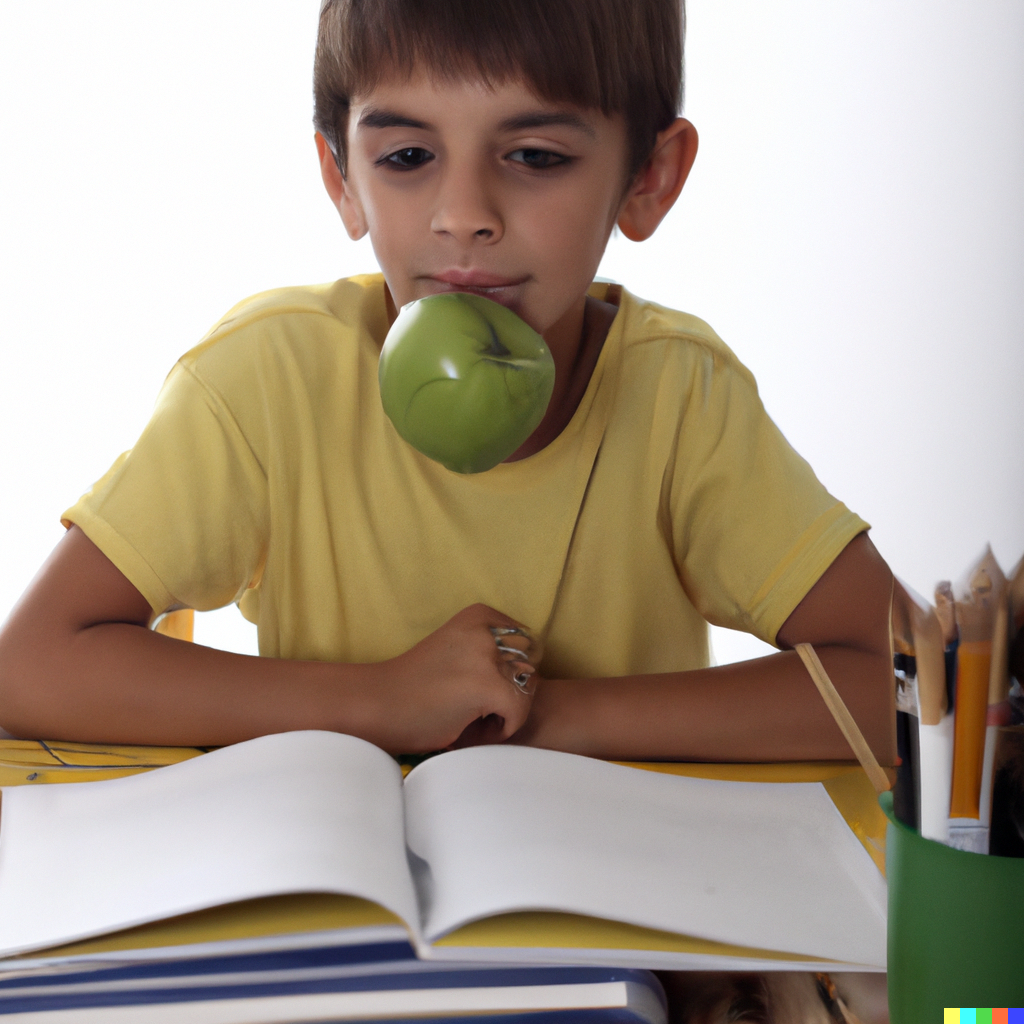
There are several areas in which India‘s education system is lacking. One is the quality of teaching. In many schools, teachers are not properly trained and lack the necessary skills to effectively educate their students. Another issue is the lack of resources. Many schools do not have enough textbooks or other materials for their students. Additionally, the curriculum is often outdated and does not reflect the needs of the 21st century. Finally, there is a lack of accountability. There is no system in place to hold schools and teachers accountable for their performance.

Behaviour self–regulation in early childhood
Self–regulation is a behaviour that refers to a person‘s ability to control their emotions, thoughts and behaviours. It is a key behaviour that helps children to cope with the demands and challenges of daily life.
Self–regulation develops in early childhood and is influenced by many factors, including a child‘s temperament, family environment, and exposure to stress.
Some children find it easier to self–regulate than others. Those who have difficulty self–regulating may benefit from support and intervention from adults, such as parents, teachers or child care providers.
There are many ways to support self–regulation in early childhood. Some of these include:
1-Helping children to understand and label their emotions
2-Teaching children coping and problem–solving skills
3-Encouraging children to take breaks when they are feeling overwhelmed
4-Providing a calm and supportive environment
5 -Helping children to develop a daily routine
Psychosocial stimulation is the process of providing children with opportunities to interact with their social and physical environment. This can be done through activities such as talking, playing, and reading with children.
Psychosocial stimulation is critical for early brain development. It helps to build connections between neurons and promotes the development of cognitive, social, and emotional skills.
Psychosocial stimulation also has a profound impact on lifelong learning and health. Studies have shown that children who receive more psychosocial stimulation are more likely to excel in school and have better mental and physical health.
Adverse childhood experiences (ACEs) are conditions in childhood that can lead to problems later in life, such as violence, substance abuse, and chronic disease. ACEs can be prevented by teaching adults who work with children how to address them.
One way to prevent ACEs is to teach adults who work with children about the importance of supportive relationships in children’s lives. Adults can help create supportive relationships by being warm and responsive to children, providing structure and limits, and modeling positive behavior.
Another way to prevent ACEs is to teach adults how to identify and respond to signs of stress in children. Adults can help children cope with stress by teaching them healthy ways to express their feelings, such as through art or play.
Teaching adults about ACEs can help prevent violence and other health problems later in life.
PSE can help children and youth develop the skills and knowledge they need to stay safe from violence and abuse. It can also help children and youth understand what constitutes abuse and how to report it.
There are many different ways to teach PSE, but all approaches should be age–appropriate and culturally relevant. Here are some tips to get you started:
1. Start early
It’s never too early to start teaching children and youth about personal safety. PSE can be incorporated into everyday activities, such as talking about feelings, reading stories together, or playing games.
2. Be developmentally appropriate
Teach PSE in a way that is developmentally appropriate for the age of the child or youth. For example, younger children will benefit from simple, concrete activities, while older children and youth may be able to handle more complex concepts.
3. Use culturally relevant materials
When choosing materials to use in your PSE lessons, make sure they are culturally relevant and reflect the diversity of your students.
4. Make it interactive
Use interactive activities to engage students and make the learning more meaningful. For example, you could have
What are the causes of poor education system in India? / What is your opinion about the education system in India?
– Lack of government funding for education
– Poor quality of teachers
– Lack of resources in schools
– Lack of motivation among students
What is lacking in Indian education system?
What are the disadvantages of Indian education system?
Does education system in India require a change group discussion
Some people may say that the education system in India does require a change, while others may disagree. It ultimately comes down to personal opinion. Some potential changes that could be made to the education system in India include increasing funding for education, improving teacher training, and increasing access to education in rural areas.
ऐसे कई क्षेत्र हैं जिनमें भारत की शिक्षा प्रणाली का अभाव है। एक शिक्षण की गुणवत्ता है। कई स्कूलों में, शिक्षकों को ठीक से प्रशिक्षित नहीं किया जाता है और उनके छात्रों को प्रभावी ढंग से शिक्षित करने के लिए आवश्यक कौशल की कमी होती है। दूसरी समस्या संसाधनों की कमी की है। कई स्कूलों में अपने छात्रों के लिए पर्याप्त पाठ्यपुस्तकें या अन्य सामग्री नहीं है। इसके अतिरिक्त, पाठ्यक्रम अक्सर पुराना हो जाता है और 21वीं सदी की जरूरतों को प्रतिबिंबित नहीं करता है। अंत में, जवाबदेही की कमी है। स्कूलों और शिक्षकों को उनके प्रदर्शन के लिए जवाबदेह ठहराने के लिए कोई व्यवस्था नहीं है।
बचपन में व्यवहार स्व-नियमन
स्व-नियमन एक व्यवहार है जो किसी व्यक्ति की अपनी भावनाओं, विचारों और व्यवहारों को नियंत्रित करने की क्षमता को संदर्भित करता है। यह एक प्रमुख व्यवहार है जो बच्चों को दैनिक जीवन की मांगों और चुनौतियों का सामना करने में मदद करता है।
स्व-नियमन प्रारंभिक बचपन में विकसित होता है और कई कारकों से प्रभावित होता है, जिसमें बच्चे का स्वभाव, पारिवारिक वातावरण और तनाव का जोखिम शामिल है।
कुछ बच्चों को दूसरों की तुलना में आत्म-विनियमन करना आसान लगता है। जिन लोगों को स्व-विनियमन करने में कठिनाई होती है, वे माता-पिता, शिक्षकों या बाल देखभाल प्रदाताओं जैसे वयस्कों के समर्थन और हस्तक्षेप से लाभान्वित हो सकते हैं।
बचपन में स्व-नियमन का समर्थन करने के कई तरीके हैं। इनमें से कुछ में शामिल हैं:
1-बच्चों को उनकी भावनाओं को समझने और लेबल करने में मदद करना
2-बच्चों को मुकाबला करने और समस्या सुलझाने के कौशल सिखाना
3-जब बच्चे अभिभूत महसूस कर रहे हों तो उन्हें ब्रेक लेने के लिए प्रोत्साहित करें
4- शांत और सहायक वातावरण प्रदान करना
5-बच्चों को दैनिक दिनचर्या विकसित करने में मदद करना
बचपन में मनोसामाजिक उत्तेजना
प्रारंभिक मस्तिष्क के विकास के लिए मनोसामाजिक उत्तेजना महत्वपूर्ण है और इसका आजीवन सीखने और स्वास्थ्य पर गहरा प्रभाव पड़ता है।
मनोसामाजिक उत्तेजना बच्चों को उनके सामाजिक और भौतिक वातावरण के साथ बातचीत करने के अवसर प्रदान करने की प्रक्रिया है। यह बच्चों के साथ बात करने, खेलने और पढ़ने जैसी गतिविधियों के माध्यम से किया जा सकता है।
प्रारंभिक मस्तिष्क के विकास के लिए मनोसामाजिक उत्तेजना महत्वपूर्ण है। यह न्यूरॉन्स के बीच संबंध बनाने में मदद करता है और संज्ञानात्मक, सामाजिक और भावनात्मक कौशल के विकास को बढ़ावा देता है।
मनोसामाजिक उत्तेजना का आजीवन सीखने और स्वास्थ्य पर भी गहरा प्रभाव पड़ता है। अध्ययनों से पता चला है कि जो बच्चे अधिक मनोसामाजिक उत्तेजना प्राप्त करते हैं, उनके स्कूल में उत्कृष्टता प्राप्त करने की संभावना अधिक होती है और उनका मानसिक और शारीरिक स्वास्थ्य बेहतर होता है।
प्रतिकूल बचपन को संबोधित करने के लिए शिक्षकों को प्रशिक्षण देना
अनुभव जीवन में बाद में हिंसा और अन्य स्वास्थ्य समस्याओं को रोकने में मदद कर सकते हैं।
प्रतिकूल बचपन के अनुभव (एसीई) बचपन में ऐसी स्थितियां हैं जो जीवन में बाद में समस्याएं पैदा कर सकती हैं, जैसे कि हिंसा, मादक द्रव्यों के सेवन और पुरानी बीमारी। बच्चों के साथ काम करने वाले वयस्कों को सिखाकर एसीई को रोका जा सकता है कि उन्हें कैसे संबोधित किया जाए।
एसीई को रोकने का एक तरीका बच्चों के साथ काम करने वाले वयस्कों को बच्चों के जीवन में सहायक संबंधों के महत्व के बारे में सिखाना है। वयस्क बच्चों के प्रति गर्मजोशी और प्रतिक्रियात्मक बनकर, संरचना और सीमाएँ प्रदान करके और सकारात्मक व्यवहार को मॉडलिंग करके सहायक संबंध बनाने में मदद कर सकते हैं।
एसीई को रोकने का एक और तरीका वयस्कों को यह सिखाना है कि बच्चों में तनाव के संकेतों की पहचान कैसे करें और उनका जवाब कैसे दें। वयस्क बच्चों को कला या खेल के माध्यम से अपनी भावनाओं को व्यक्त करने के स्वस्थ तरीके सिखाकर तनाव से निपटने में मदद कर सकते हैं।
वयस्कों को एसीई के बारे में पढ़ाने से जीवन में बाद में हिंसा और अन्य स्वास्थ्य समस्याओं को रोकने में मदद मिल सकती है।
बच्चों को व्यक्तिगत सुरक्षा शिक्षा (पीएसई) प्रदान करने के लिए शिक्षकों को प्रशिक्षण देना
बच्चों और युवाओं को व्यक्तिगत सुरक्षा शिक्षा (पीएसई) प्रदान करने के लिए शिक्षकों को प्रशिक्षित करना हिंसा और दुर्व्यवहार को रोकने में मदद करने का एक प्रभावी तरीका है।
पीएसई बच्चों और युवाओं को हिंसा और दुर्व्यवहार से सुरक्षित रहने के लिए आवश्यक कौशल और ज्ञान विकसित करने में मदद कर सकता है। यह बच्चों और युवाओं को यह समझने में भी मदद कर सकता है कि दुर्व्यवहार क्या होता है और इसकी रिपोर्ट कैसे करें।
पीएसई पढ़ाने के कई अलग-अलग तरीके हैं, लेकिन सभी दृष्टिकोण आयु-उपयुक्त और सांस्कृतिक रूप से प्रासंगिक होने चाहिए। यहां आपकी शुरुआत के लिए कुछ सुझाव दिए गए हैं:
1. जल्दी शुरुआत करें
व्यक्तिगत सुरक्षा के बारे में बच्चों और युवाओं को पढ़ाना शुरू करना कभी भी जल्दी नहीं होता। PSE को रोजमर्रा की गतिविधियों में शामिल किया जा सकता है, जैसे भावनाओं के बारे में बात करना, एक साथ कहानियां पढ़ना या गेम खेलना।
2. विकासात्मक रूप से उपयुक्त बनें
PSE को ऐसे तरीके से पढ़ाएं जो बच्चे या युवाओं की उम्र के लिए विकासात्मक रूप से उपयुक्त हो। उदाहरण के लिए, छोटे बच्चे सरल, ठोस गतिविधियों से लाभान्वित होंगे, जबकि बड़े बच्चे और युवा अधिक जटिल अवधारणाओं को संभालने में सक्षम हो सकते हैं।
3. सांस्कृतिक रूप से प्रासंगिक सामग्रियों का उपयोग करें
अपने PSE पाठों में उपयोग करने के लिए सामग्री चुनते समय, सुनिश्चित करें कि वे सांस्कृतिक रूप से प्रासंगिक हैं और आपके छात्रों की विविधता को दर्शाती हैं।
4. इसे संवादात्मक बनाएं
छात्रों को संलग्न करने और सीखने को और अधिक सार्थक बनाने के लिए इंटरैक्टिव गतिविधियों का उपयोग करें। उदाहरण के लिए, आप कर सकते थे