
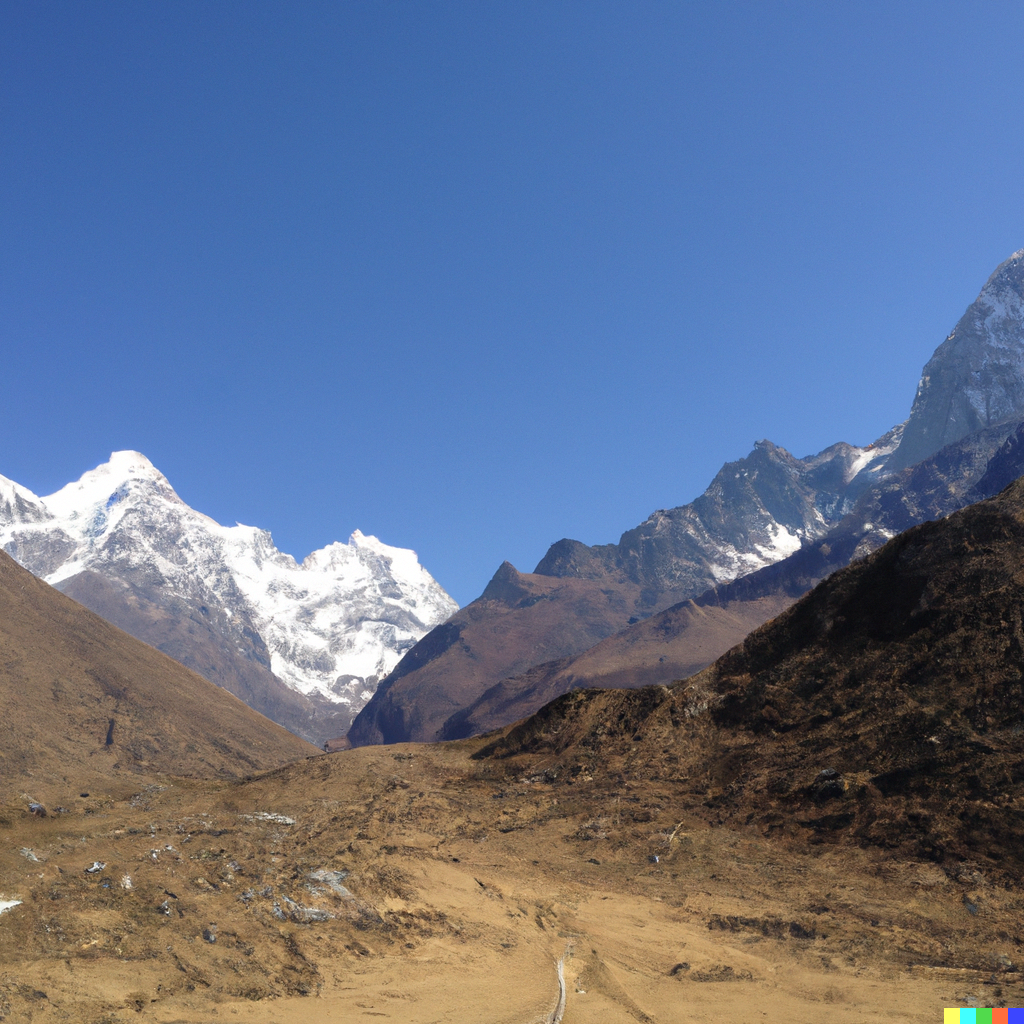
The Himalayas are a major source of fresh water for over 1.3 billion people in Asia, but they are also one of the world‘s most polluted mountain ranges. Every year, hundreds of millions of tonnes of waste are dumped in the Himalayas, including plastic, toxic chemicals, and human waste. This pollution is having a devastating impact on the environment and the people who depend on the mountains for their livelihoods.

The Himalayas are home to some of the world‘s most iconic mountains, including Mount Everest, but they are also now home to a growing problem of waste and pollution. Every year, hundreds of millions of tonnes of waste are dumped in the Himalayas, including plastic, toxic chemicals, and human waste. This pollution is having a devastating impact on the environment and the people who depend on the mountains for their livelihoods.
The Himalayas are a major source of fresh water for over 1.3 billion people in Asia, but they are also one of the world‘s most polluted mountain ranges. A report by the World Wildlife Fund (WWF) found that the Himalayas are now the world‘s second–most polluted mountain range, after the Andes.

In places where tourism is booming, there is often an increase in the use of plastic bags and other single–use products. This is because tourists often buy souvenirs and other items that they will only use for a short period of time.
The increased use of these products can have a negative impact on the environment. It can lead to pollution and waste, and it can also put pressure on the local infrastructure.
The tourism industry can also have a negative impact on the economy of a country. This is because the money that is spent by tourists often goes to businesses and not to the local people. This can lead to a decrease in the standard of living for the people who live in the country.

Difficult terrain for logistics and infrastructure
1. Lack of roads, railways and air connectivity
The region is isolated from the rest of the world, especially from South Asia and Central Asia, and has no direct links with either of these regions. This isolation has led to a lack of infrastructure and transport links in the region. There are no motorable roads connecting the region with the rest of the world. There is no railway or air link between the region and the rest of the world. The only way to access the region is through the Khyber Pass, which is often closed due to the volatile security situation in the region. This isolation has made it difficult for the region to develop its economy and infrastructure.
2. Rugged and mountainous terrain
The region is largely mountainous and rugged, making it difficult to build roads and railways. The region has some of the world’s highest mountains, including the Himalayas, the Karakoram range and the Hindu Kush range. These mountains make the region inaccessible and difficult to develop.
3. Lack of water resources
The region has very limited water resources. The main river in the region, the Indus, is located
The drought has also led to a decrease in the level of the state’s reservoirs. This has led to a decrease in the amount of water that is available for irrigation and other purposes.
The state’s water resources are also under stress due to the increasing demand from the growing population. The state’s population is expected to grow by more than 30% in the next 20 years. This will put even more strain on the state’s water resources.
Invasive species
Invasive species are another major problem that California faces. These species are not native to the state and they cause harm to the environment.
Invasive species can cause a decrease in the population of native species. They can also cause damage to the environment.
There are many invasive species in California. Some of these species include the red–legged frog, the American bullfrog, and the Asian carp.
Lack of reach of extended producer responsibility
Lack of awareness about the concept of zero waste Lack of awareness about the concept of waste management Lack of awareness about the concept of recycling Lack of awareness about the concept of composting Lack of awareness about the concept of waste to energy Lack of awareness about the concept of waste reduction Lack of awareness about the concept of extended producer responsibility Lack of awareness about the concept of circular economy Lack of awareness about the concept of upcycling Lack of awareness about the concept of reuse Lack of awareness about the concept of zero waste Lack of awareness about environmental impact Lack of awareness about environmental sustainability
Lack of policy enforcement and convergence
1 -Lack of communication
The policies and procedures may be well defined, but they may not be communicated to the people who need to know them. This can lead to confusion and frustration.
2- Lack of training
The policies and procedures may be well defined and communicated, but the people who need to follow them may not be trained in how to do so. This can lead to confusion and frustration.
3 -Lack of understanding
The policies and procedures may be well defined and communicated, but the people who need to follow them may not understand them. This can lead to confusion and frustration.
4 -Lack of compliance
The policies and procedures may be well defined and communicated, but the people who need to follow them may not comply with them. This can lead to confusion and frustration.
5- Lack of motivation
The policies and procedures
1. Lack of proper infrastructure: In many parts of India, there is a lack of proper infrastructure for waste management. This includes a lack of proper garbage disposal facilities, and a lack of recycling facilities.
2. Lack of awareness: There is a lack of awareness about the importance of proper waste management among the general population. This results in people throwing their garbage on the streets or in open spaces.
3. Lack of proper segregation: There is a lack of proper segregation of waste at the source. This results in mixed waste, which is more difficult to manage.
4. Lack of proper disposal: There is a lack of proper disposal facilities for waste. This results in waste being dumped in open spaces or in water bodies, which pollutes the environment.
–Recycling: This is one of the most common methods of waste management in India. Recycling involves collecting and sorting waste materials, and then using them to create new products.
–Composting: This method involves breaking down organic waste materials, such as food scraps, into compost, which can be used as a natural fertilizer.
–Incineration: This method involves burning waste materials to generate energy.
–Landfills: This method involves burying waste materials in the ground.